With Group member: Hoaxing Tu & Links (Huilin) Luo
Overview
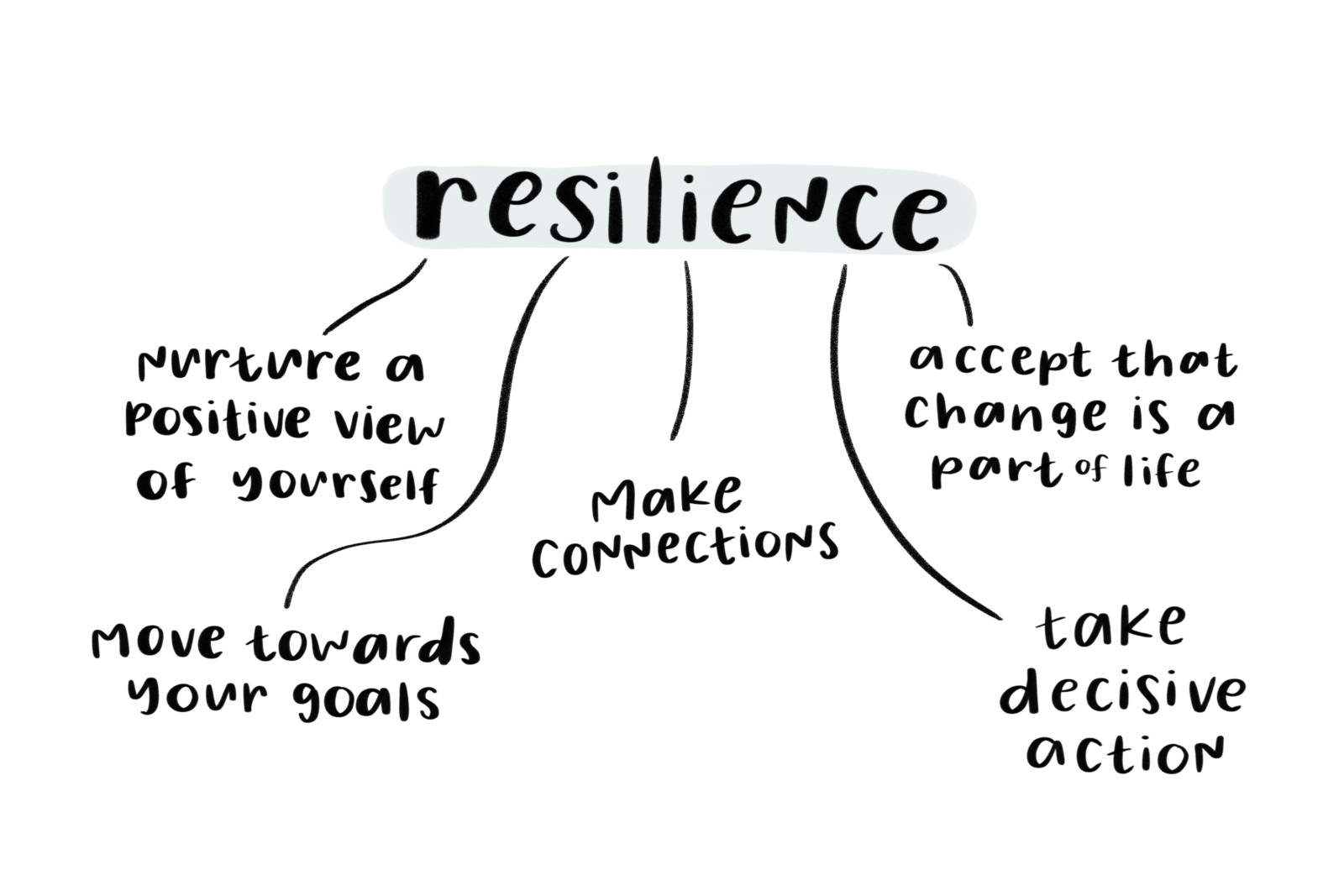
Definition of Resilience
Resilience refers to the ability to adapt, recover, and maintain well-being when faced with stress, adversity, or change. Scholars define resilience as a dynamic process involving protective factors that enable individuals to cope effectively with challenges (Turyamureeba, 2034). In terms of learning, resilience helps students maintain their academic performance and mental health when faced with pressures such as deadlines, exams, and personal responsibilities.
Purpose
This resource aims to provide strategies for identifying sources of academic stress for students in higher education, helping them to practice stress management techniques and develop personalized stress management plans.
Learning Context & Learners
- Target Learners: College and University students, aged 18 to 25
- Educational Background: Most are undergraduate students from diverse fields of study, like social sciences, business, engineering, and humanities. They are all at an important transitional stage in their live, facing academic, social, and personal pressures.
- Lifestyle & Interests: Many students need to balance multiple roles: attending classes, completing assignments, preparing for exams, which also have part-time job or extracurricular activities.
- Prior Knowledge: Students generally recognize stress and can identify common triggers such as deadlines, exams, or group projects. But they often lack structured coping strategies.
- Special Learning needs: For some students (international students), English is their second language, so the resource will present in clear and concise language and uses multiple formats, such as text, visuals, and audio.
Learning Theory & Design
This learning resource is based on constructivist learning theory, which emphasizes that learners actively construct knowledge by combining new information with existing experiences.
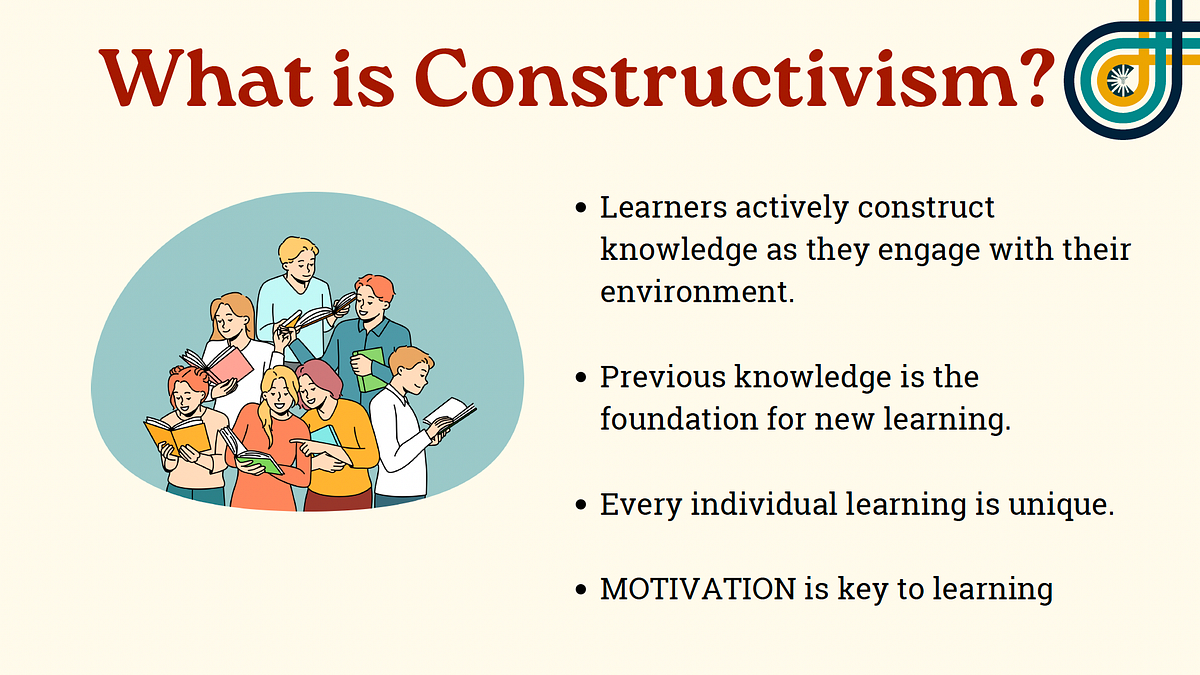
Constructivism is most suitable for higher education students facing academic pressure because it recognizes that stress is a personalized and subjective experience. Each learner has unique stress triggers, coping habits, and resilience levels due to differences in background, culture, and environment. By participating in interactive activities to identify personal stressors and develop personalized stress management plans, students not only absorb information but also actively reconstruct their understanding of resilience in a way that is more meaningful and applicable to their own lives.
Constructivism also encourages reflection and self-directed learning, which are central to this theme. This approach allows students to experiment, reflect on which methods suit them best, and adjust their strategies accordingly. This aligns with the goal of cultivating long-term resilience, as students learn to solve problems and apply coping skills in contexts beyond the classroom.
In terms of learning design, this learning resource combines project-based learning with inquiry-based learning, Project-based learning enables students to create a tangible product – a personalized stress management plan. This plan will directly address the real-life challenges that students face in their daily academic lives. Inquiry-based learning guides students to ask reflective questions. For example, What triggers my stress? Which strategies are most effective? Then, students seek their own answers through structured activities and peer sharing.
These learning design choices make learning not passive but experiential and reflective. Also, it is well-suited for the target learners, who are balancing academic demands with part-time work and social commitments. These learners often benefit from hands-on and flexible activities that they can adapt to their own routines. So this learning design respects their diverse needs.
Assessment Plan
The assessment strategy for this learning resource combines elements of formative and summative assessment to ensure that students receive support throughout the learning process.
Formative assessment will be integrated into each module to help students check their understanding and receive real-time feedback. For example, learners will complete a short Kahoot quiz after engaging with the instructional content to assess their mastery of stress concepts and resilience strategies. Additionally, learners will post reflections or lists of stress triggers on Padlet to receive supportive feedback from peers and gain insights into their peers’ perspectives. This can promote ongoing engagement, self-monitoring, and peer learning.
Summative assessment will be presented in the form of a personalized academic stress management plan. Each learner need to submit a structured document containing:
(1). A list of personal stress triggers
(2). Two coping strategies selected from the course content and applied
(3). A weekly schedule or action plan demonstrating how these strategies are effectively integrated into their lives.
This outcome reflects the project-based learning approach clearly demonstrating the integration of knowledge acquisition and practical application.
How the feedback will be provide?
Feedback will be provided through multiple ways:
- Peer review feedback: allow learners to share insights and provide mutual support.
- Instructor feedback: focus on the plan’s clarity, feasibility, and reflection of learning objectives.
- Automated feedback: give immediate correction and encouragement on quizzes.
Interactive Learning Activities
Activities 1: Understanding Academic Stress
Learning Objective: Identify at least three personal stress triggers related to academic life.
First, watch this short video that introducing the concept of resilience and the common stresses faced by university students.
Second, write a self-reflection exercise. Learners will complete a guided worksheet where list three specific stress triggers they personally experience. Then, classmates give the feedback to see if anyone else has similar sources of stress.
Activity 2: Designing a Personal Stress Management Plan
Learning Objective: Design a personalized academic stress management plan that is practical and sustainable.
- Watch this short video
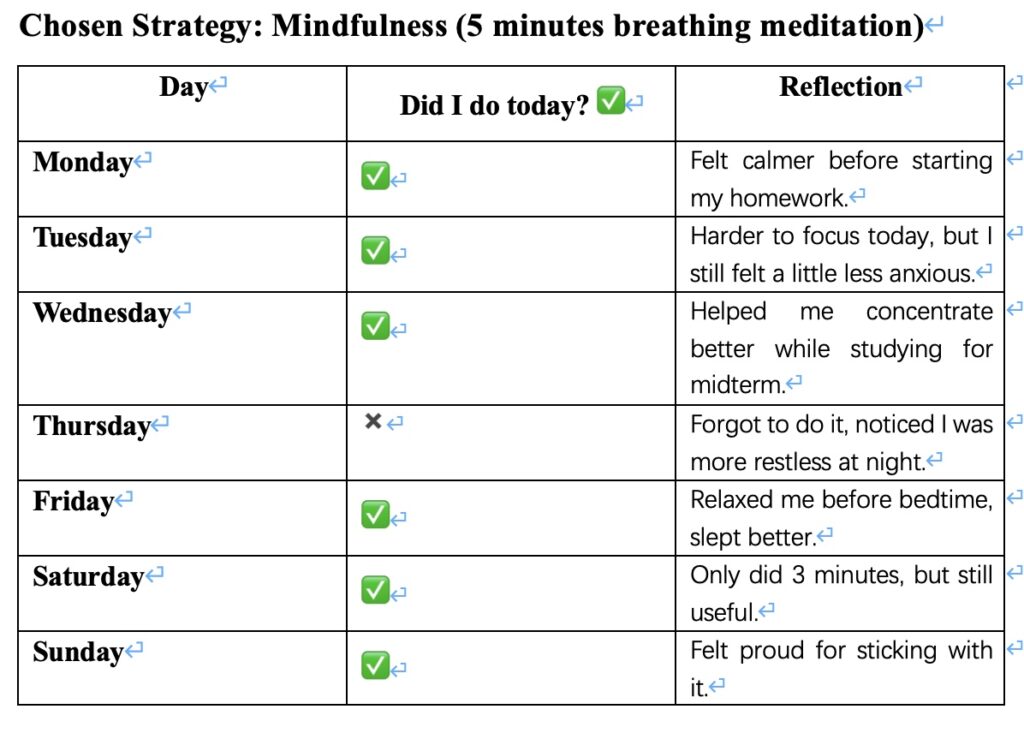
- 7-Day Resilience Challenge
- Learners commit to practicing at least one coping strategy daily for 7 days.
- They track progress using a checkboxes sheet with reflections. Here is the example.
Conclusion
Resilience isn’t built in a day — it grows through practice and reflection. By identifying your stress triggers, exploring new strategies, and completing your personal plan, you’ve taken meaningful steps toward managing academic stress with confidence.
Reference:
Turyamureeba, S. (2024). Building resilience in students: Strategies for coping with stress and adversity. Educational Review. https://www.eejournals.org/public/uploads/1725019214_b7ba1a739d6fb7a6d139.pdf#:~:text=Resilience%20in%20students%20is%20a%20crucial%20factor%20for,and%20the%20factors%20that%20contribute%20to%20its%20development.
Hou, D., & Yang, Z. (2024). Academic resilience and mental health: Understanding coping strategies. Journal of Educational Psychology.https://www.purdue.edu/stepstoleaps/new/featured/well-being-tips/2024_0401.php
AI use citation : ChatGPT (2025, August 20). Assisted in revising text and designing layout for the Interactive Learning Resource.
Recent Comments